
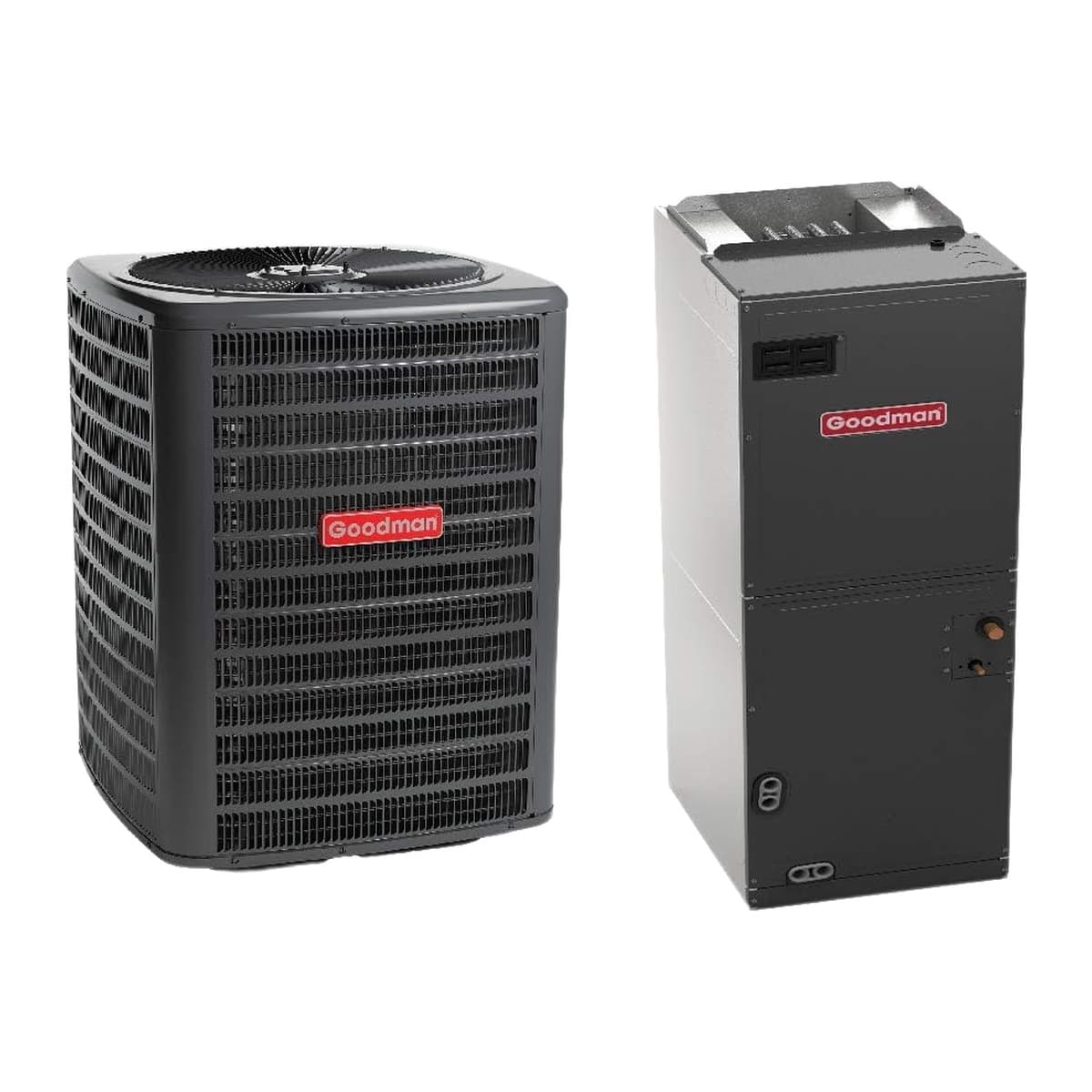
(0)
Goodman
2.5 Ton Heat Pump
Goodman Up to 15.2 SEER2 Single-Stage, Classic, R-32 | GLZS4BA3010
$2,050.99
A 2.5 ton heat pump puts out 30,000 BTU and fits many homes around 1,200 to 1,500 square feet — the middle size between 2 and 3 tons. With a heat pump, the sizing question has an extra wrinkle: your heating load and cooling load aren't always the same number.
11 products
Goodman
Goodman Up to 15.2 SEER2 Single-Stage, Classic, R-32 | GLZS4BA3010
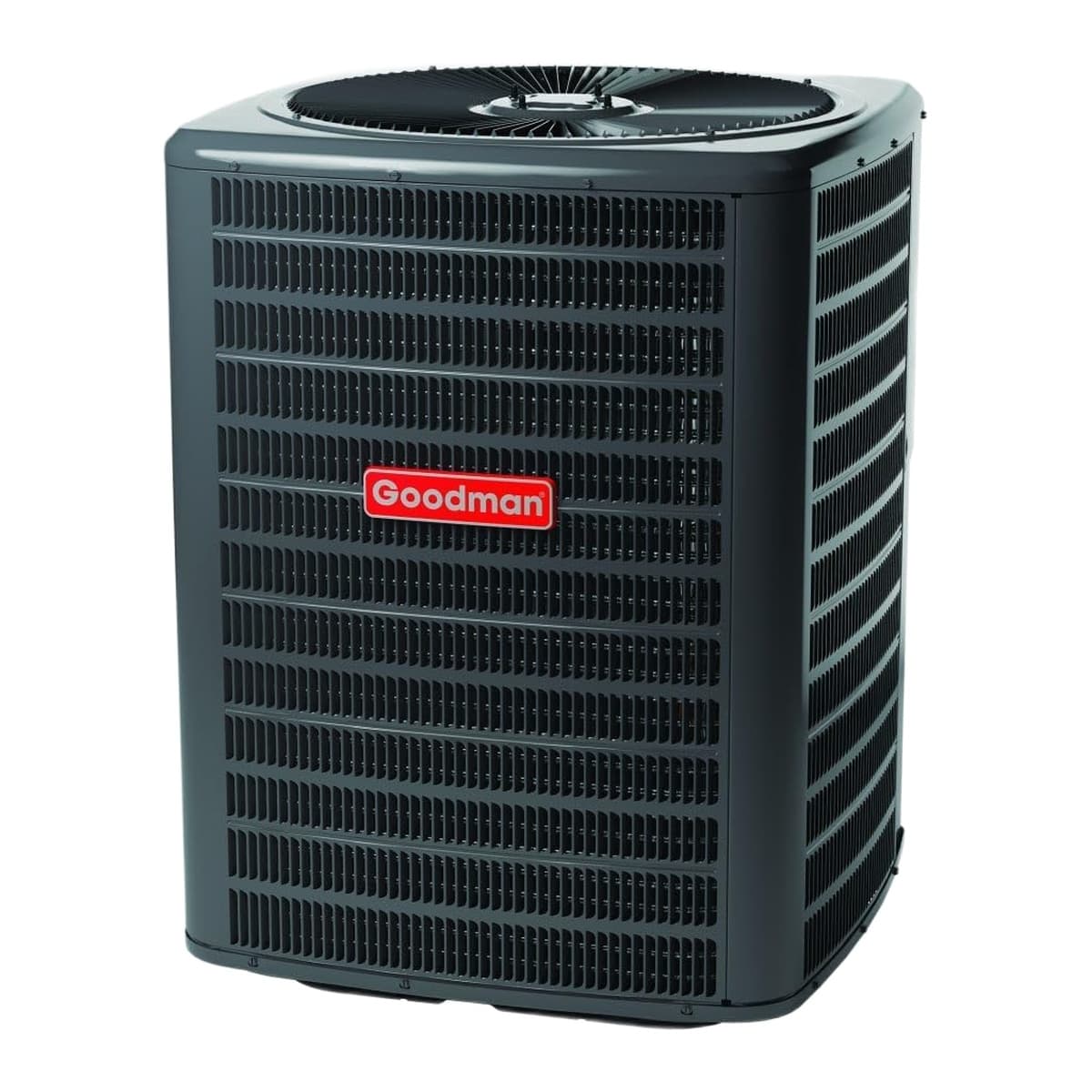
Goodman
Goodman Up to 15.2 SEER2 Single-Stage, Multi-Family, R-32 | GLZS4MA3010
Goodman
Goodman Up to 16 SEER2 Single-Stage, R-32 | GLZS5BA3010
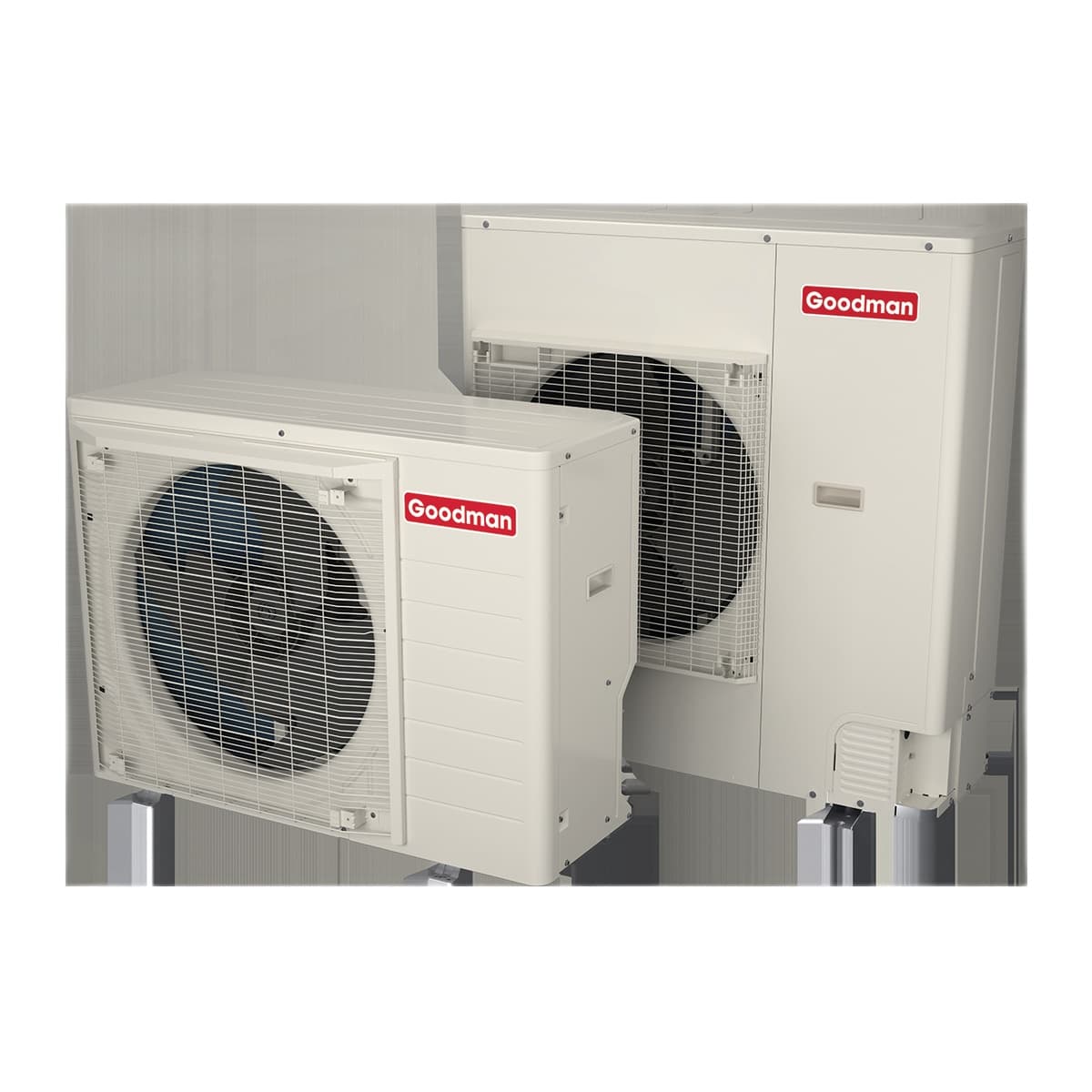
Goodman
Goodman Up to 19 SEER2 Variable-Speed Side-Discharge, R-32 | GZV6SA3010
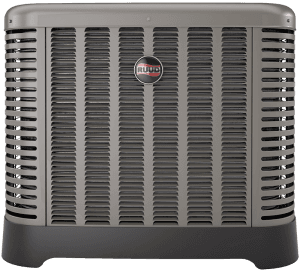
Ruud
Ruud 14.3 SEER2 Two-Stage, R-454B | RP14AY30AJ2NA
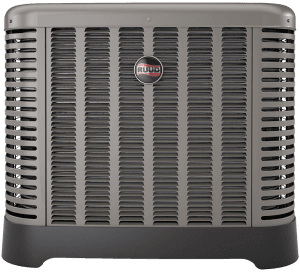
Ruud
Ruud 15.2 SEER2 Two-Stage, R-454B | RP15AY30AJ2NA
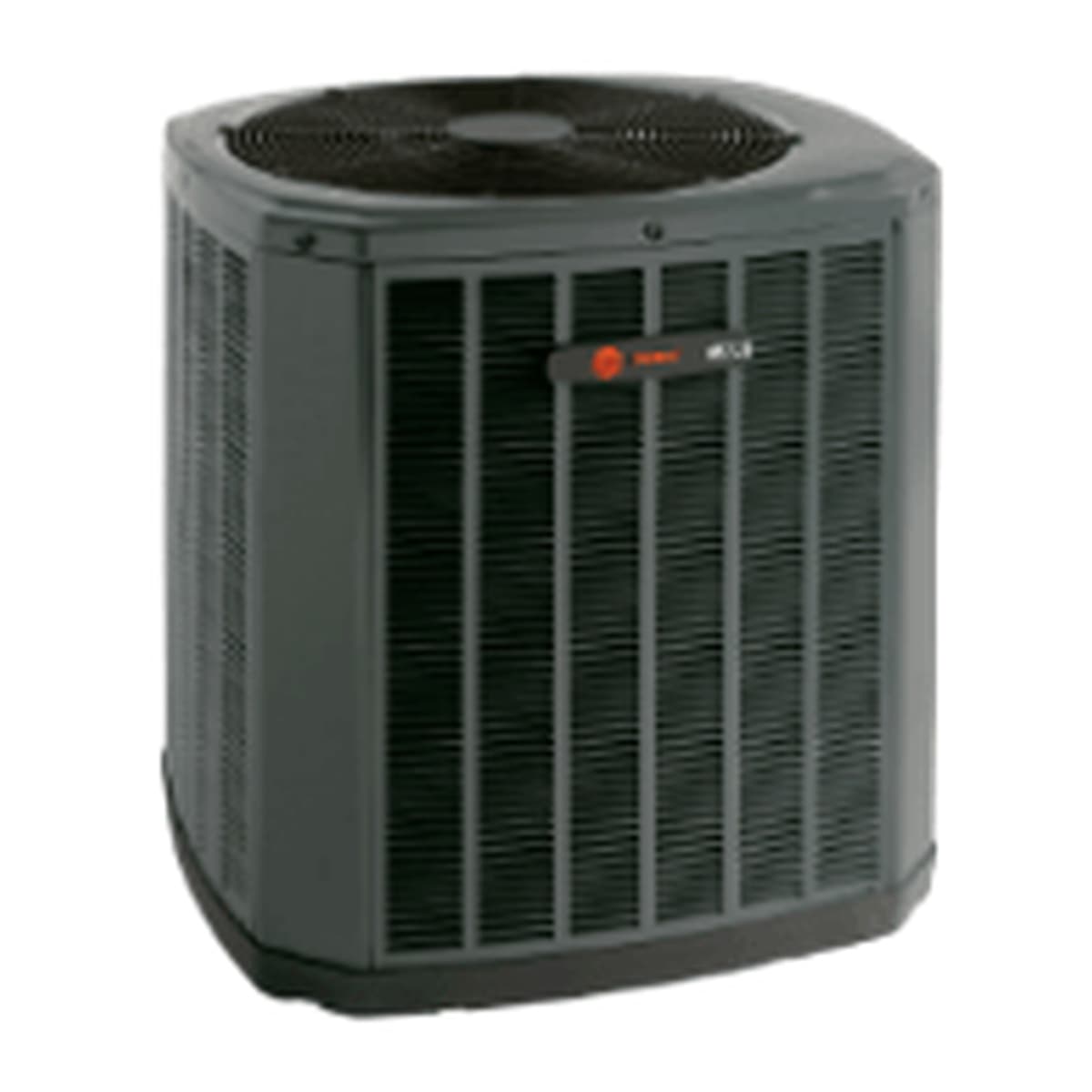
Trane
Trane 14 Series Single-Stage, R-454B | 5TWR4030A1000
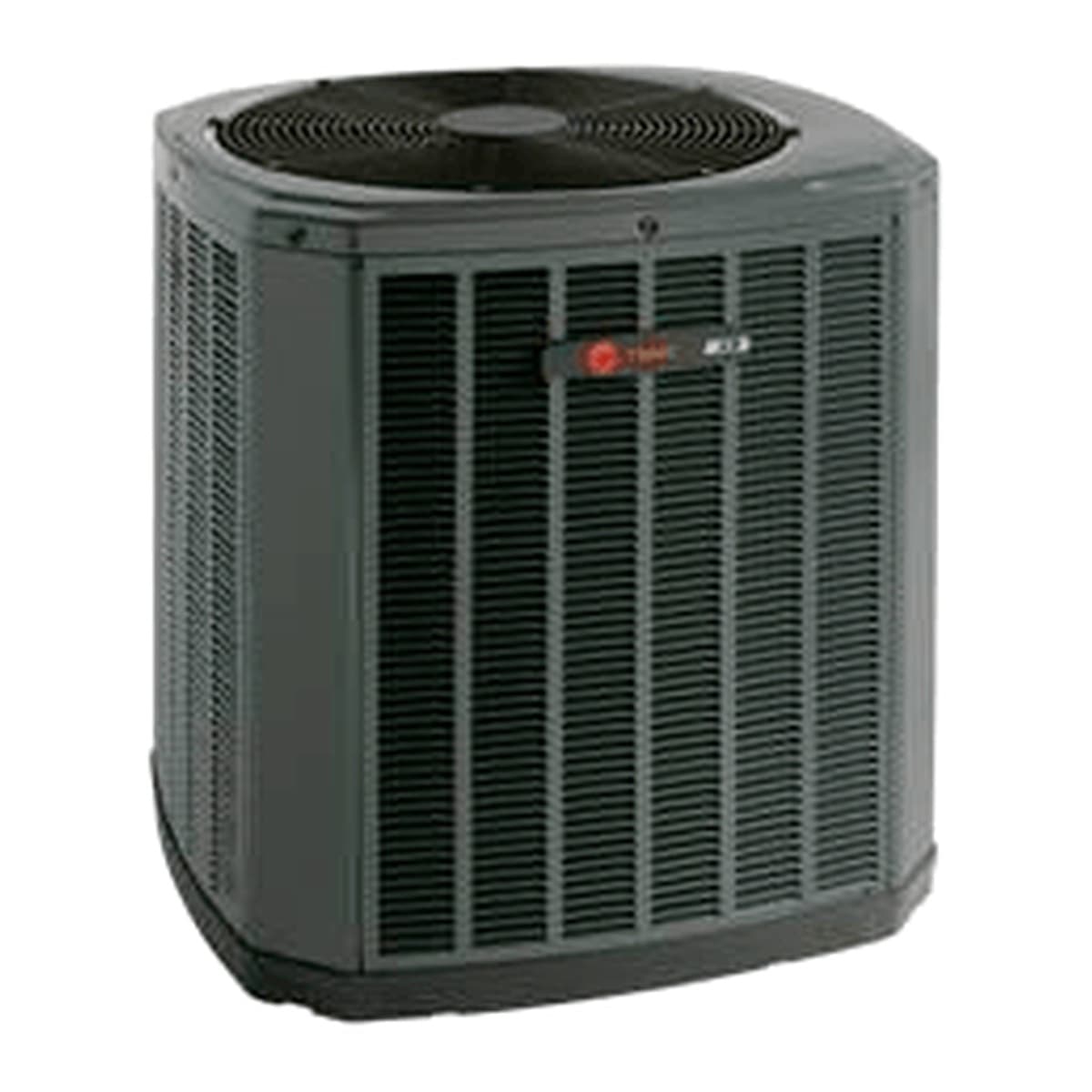
Trane
Trane 15 Series Single-Stage, R-454B | 5TWR5030A1000
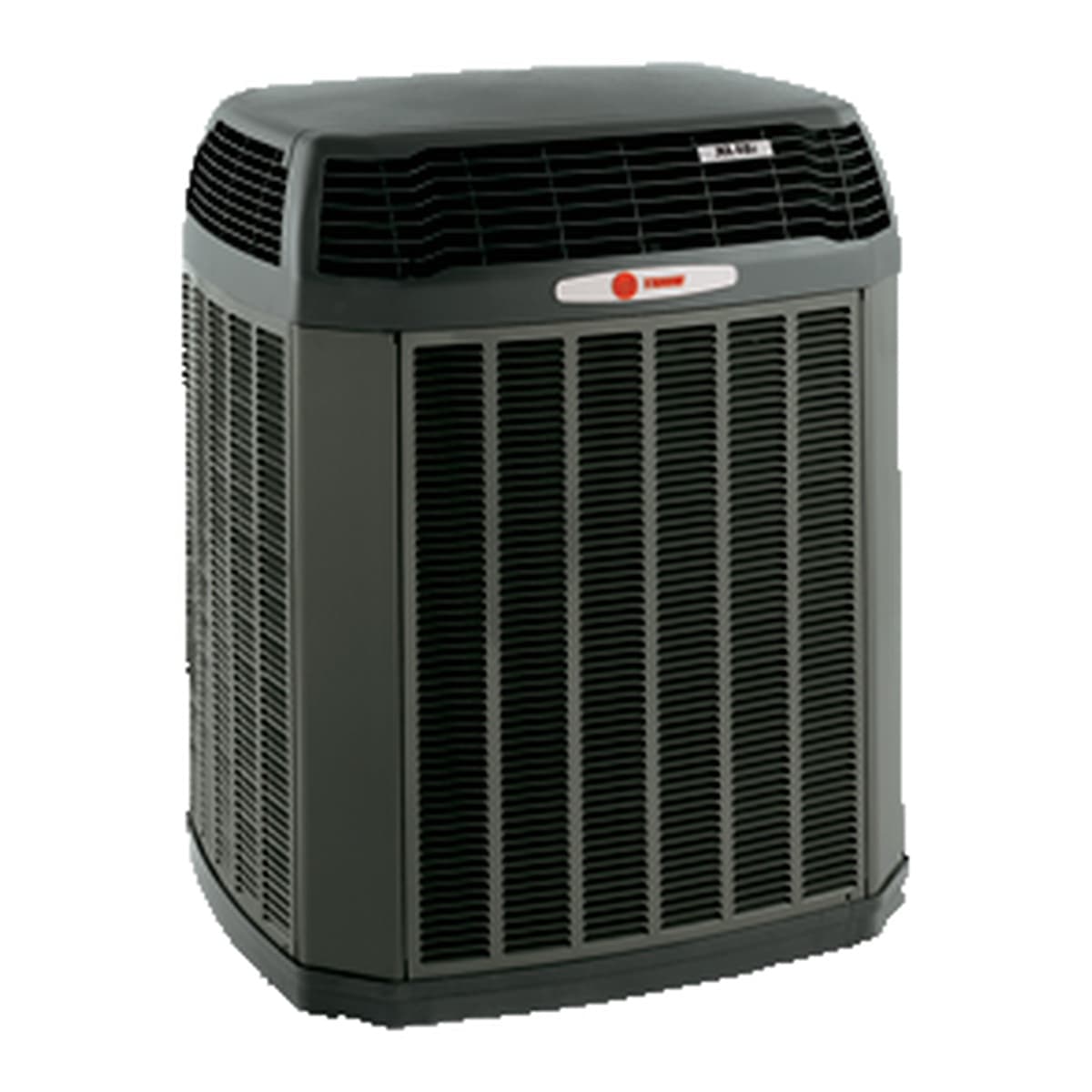
Trane
Trane 15 Series Single-Stage, WeatherGuard Top, R-454B | 5TWX5030A1000
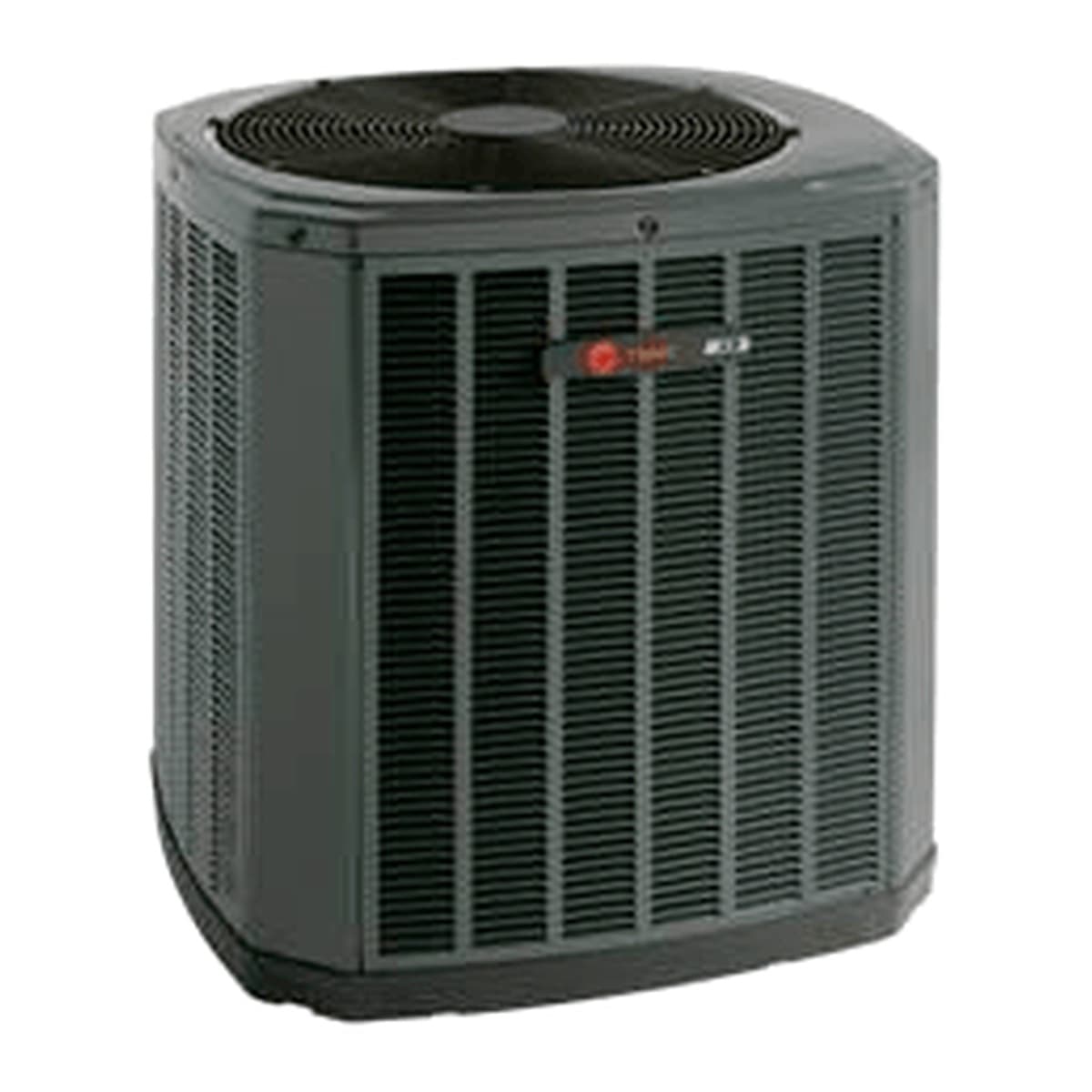
Trane
Trane 16 Series Single-Stage, R-454B | 5TWR6030A1000
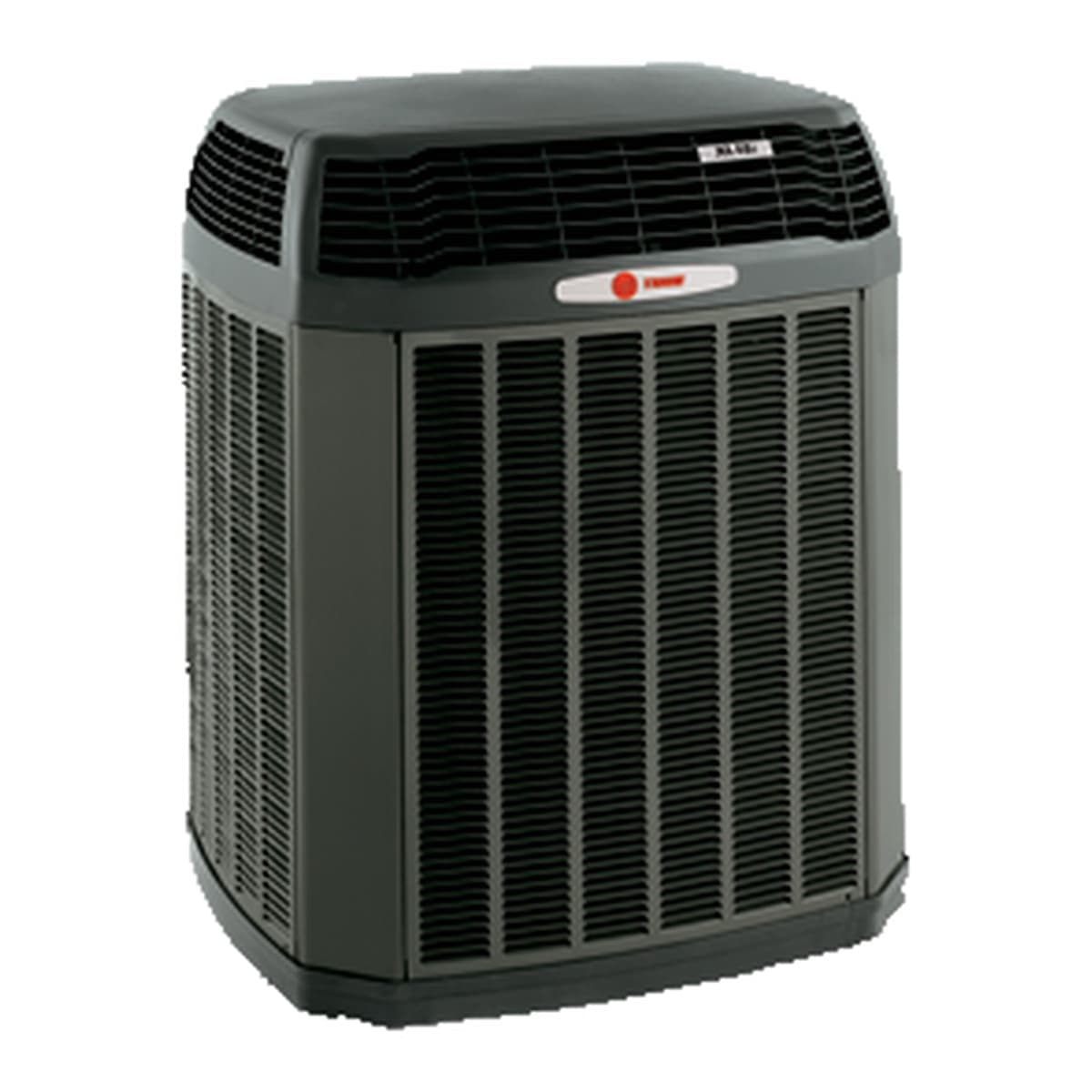
Trane
Trane 16 Series Single-Stage, WeatherGuard Top, R-454B | 5TWX6030A1000
With an air conditioner you size for cooling and you're done. A heat pump has to satisfy both heating and cooling, and in some climates one of those loads is larger. Sizing for cooling can leave heating short (covered by backup heat), while sizing for heating can oversize cooling and hurt summer humidity control. A load calculation that looks at both is how you decide whether 2.5 tons is the sweet spot or you should step to 3.
Between 2.5 and 3 tons and juggling heating vs cooling? Send details and we'll size it →
Look at both your heating and cooling loads, not just square footage. If they point to the middle, 2.5 tons avoids oversizing cooling. A Manual J calculation that covers both seasons is the reliable way to decide.
A heat pump serves two loads. In some climates the heating load is larger than the cooling load (or vice versa), so a size that's perfect for one season can be off for the other. Backup heat and correct sizing balance that.
Roughly 1,200–1,500 sq ft in a typical home, adjusted for climate, insulation, and how your heating and cooling loads compare.
The unit cools in short bursts and doesn't run long enough to remove humidity, so summers feel cold and clammy, and the compressor cycles more than it should.
In colder climates, often yes — an auxiliary heat strip covers the coldest days, especially if the unit is sized closer to the cooling load.